What Is MGO Honey?
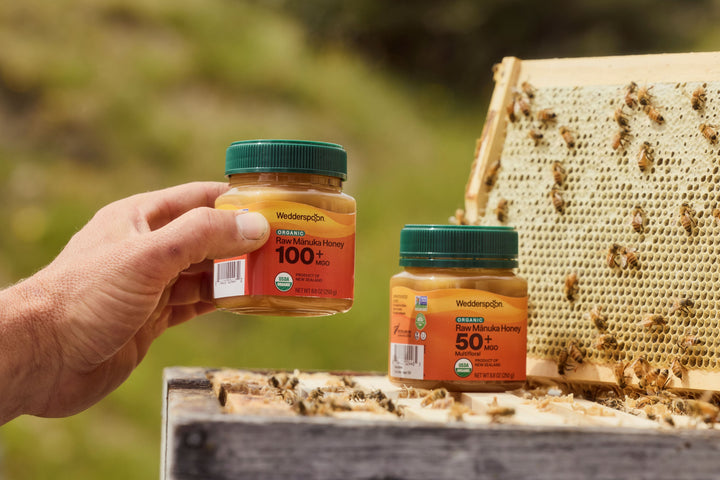
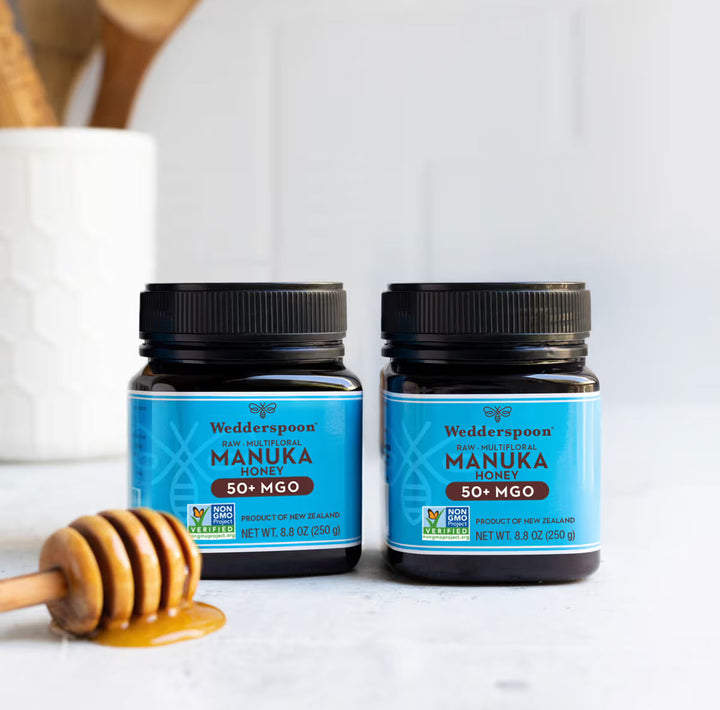
MGO stands for methylglyoxal, a naturally occurring compound found in Mānuka Honey that gives it its antibacterial properties. The MGO number on your jar — like MGO 50+, MGO 150+, or MGO 850+ — tells you how many milligrams of methylglyoxal are present in your jar of honey.
The simple version: the higher the MGO number, the stronger the antibacterial activity.
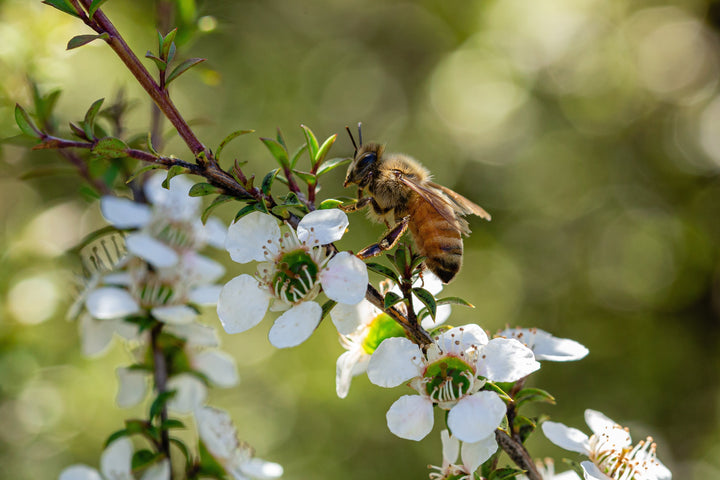
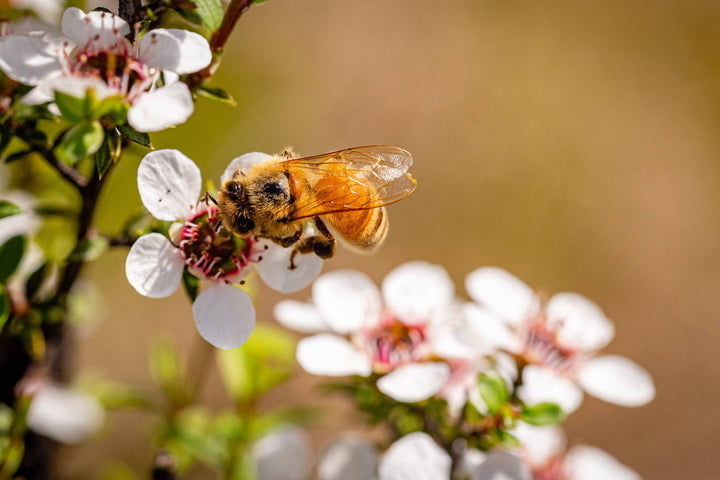
While most honey contains some beneficial compounds, Mānuka Honey from New Zealand is uniquely rich in methylglyoxal thanks to the nectar of wild Mānuka blossoms (Leptospermum scoparium). These bushes grow wild across remote New Zealand hillsides, where bees forage far from any farmland or development.
Why MGO Matters
Methylglyoxal is what sets Mānuka Honey apart from regular honey. It's the reason Mānuka has been studied for its potential to:
- Support immune function
- Soothe throat discomfort
- Support digestive health
- Support skin and wound care
- Provide a natural source of energy
The MGO rating gives you a transparent, science-backed way to know what you're actually getting in every spoonful.
Understanding MGO Levels: What Do the Numbers Mean?
Not all MGO honey is created equal. The number on the label reflects the concentration of methylglyoxal, and that number is a good guide for how you might use it.
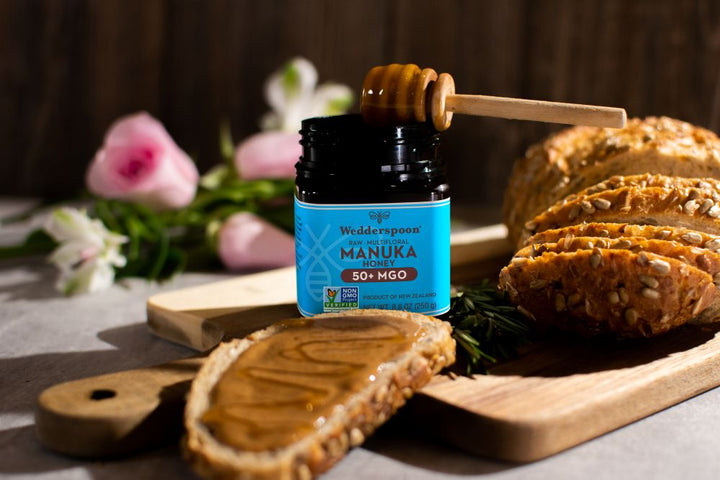
MGO 50+: Gentle Daily Wellness
A great entry point, MGO 50+ Mānuka Honey offers mild antibacterial benefits and an easy way to work Mānuka into your daily routine. Try it:
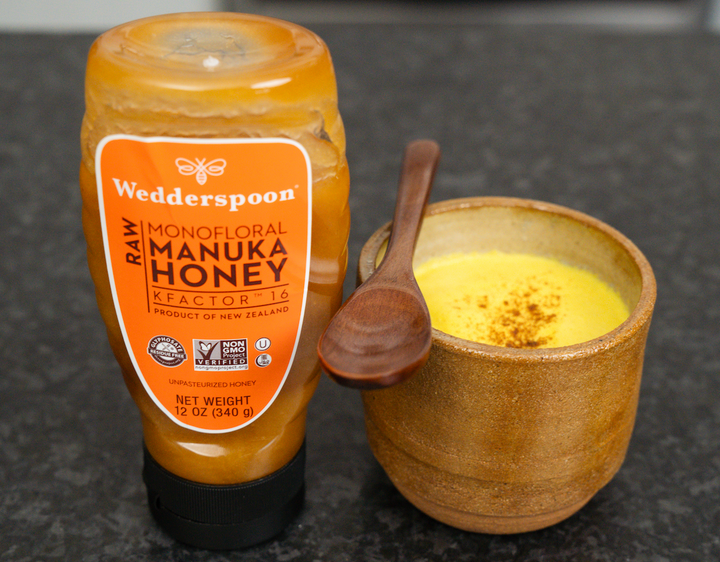
- Stirred into morning tea or coffee
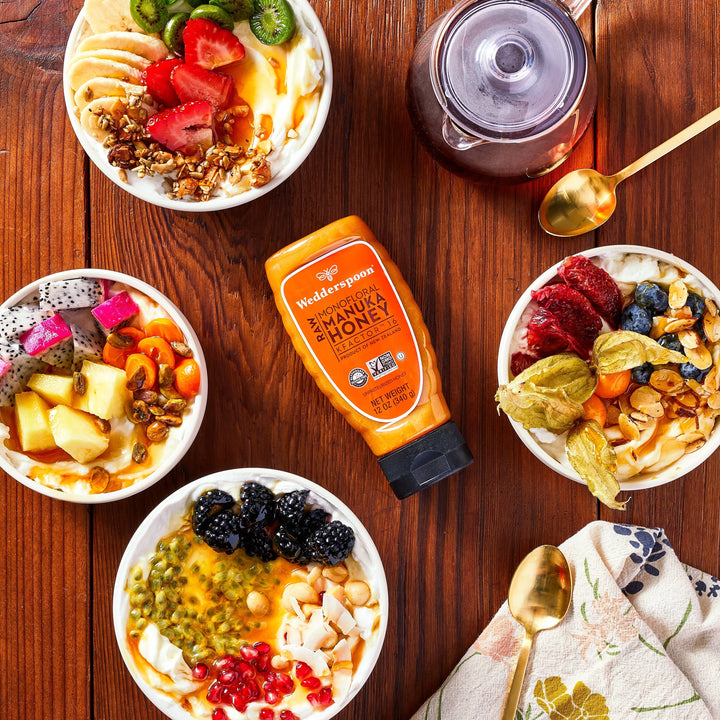
- Drizzled over yogurt, oatmeal, or fresh fruit
- Blended into smoothies
- Straight off the spoon
Best for: Anyone new to Mānuka Honey or looking for a gentle, everyday addition.
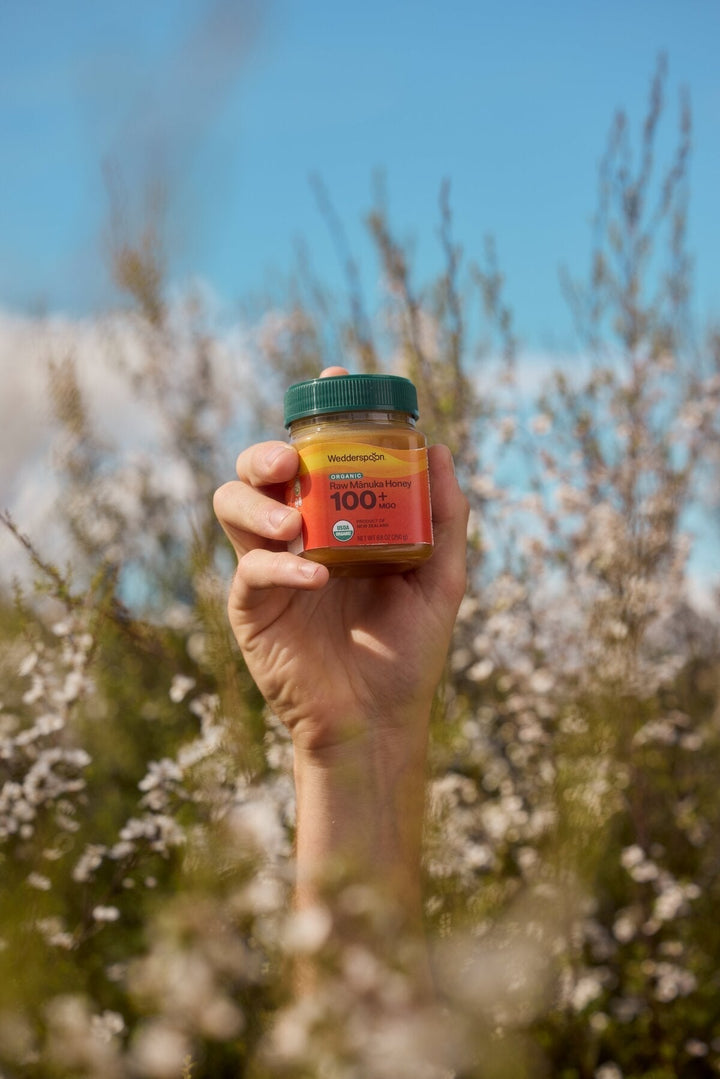
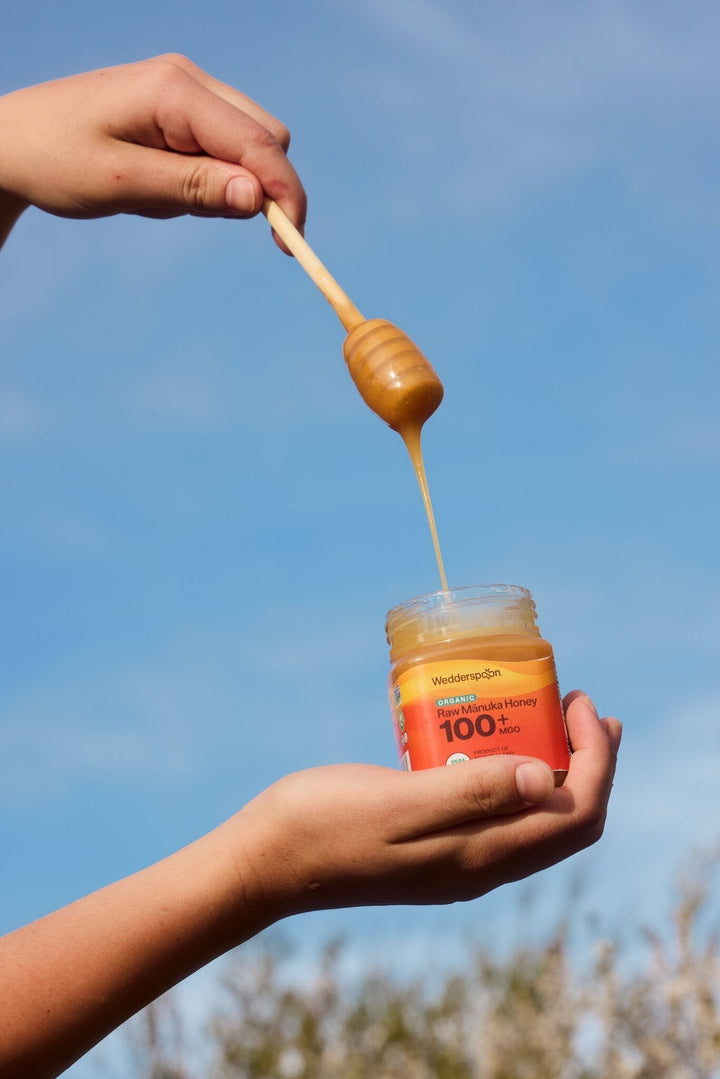
MGO 100+: Balanced Support
With moderate antibacterial activity, MGO 100+ steps things up while staying versatile for daily use. Use it to:
- Support immune health through seasonal changes
- Soothe occasional throat discomfort
- Support digestive balance
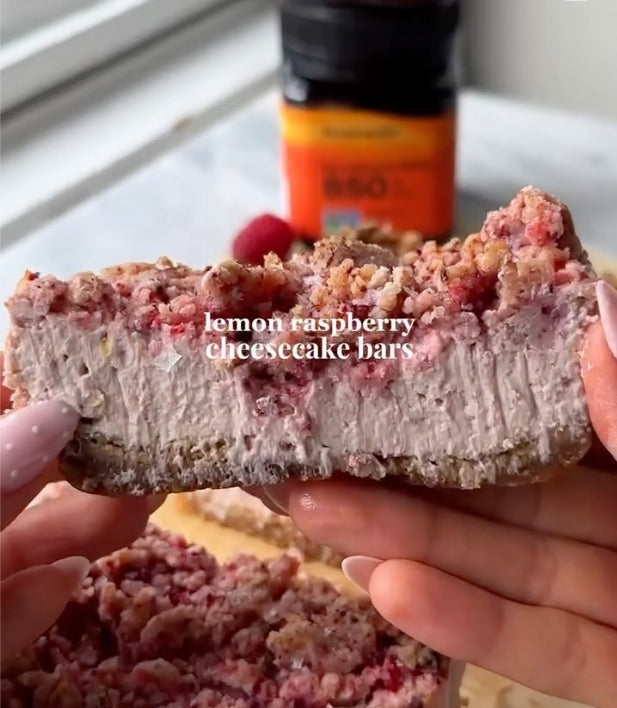
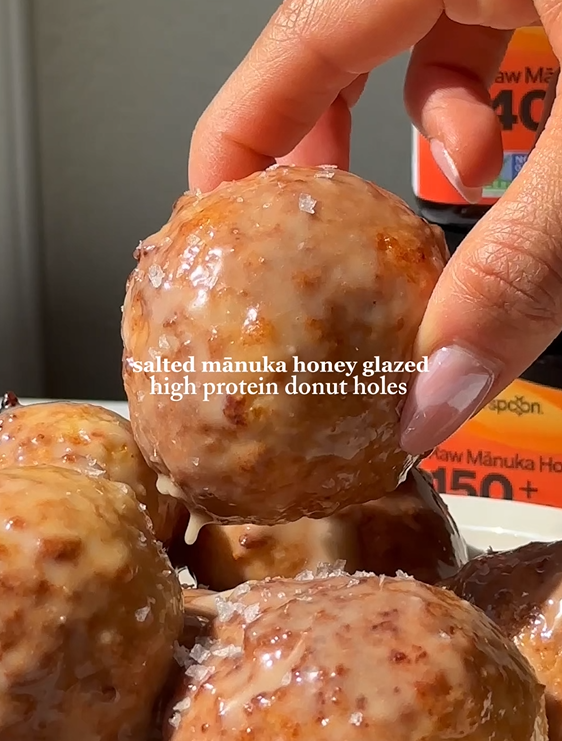
- Sweeten recipes with added benefit
Best for: Regular Mānuka users who want more potency without going fully therapeutic.
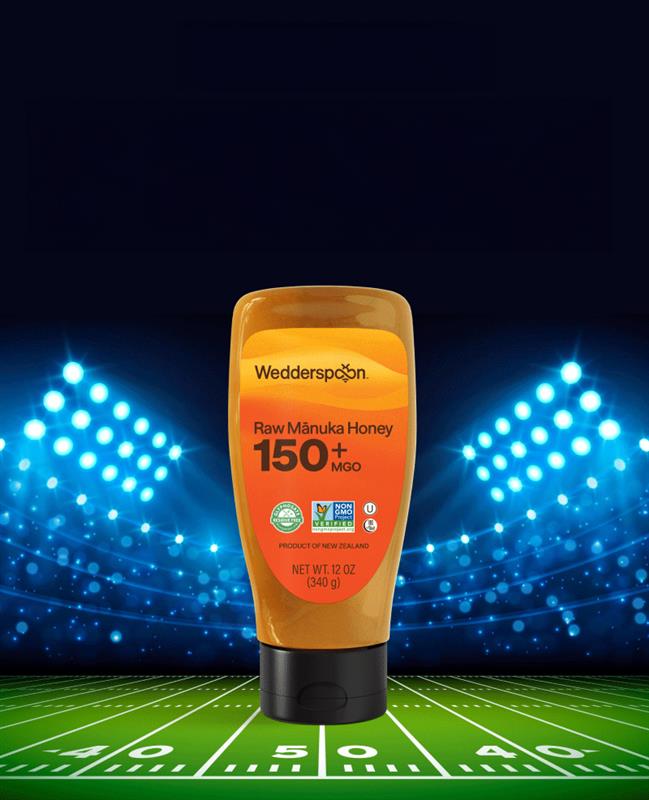
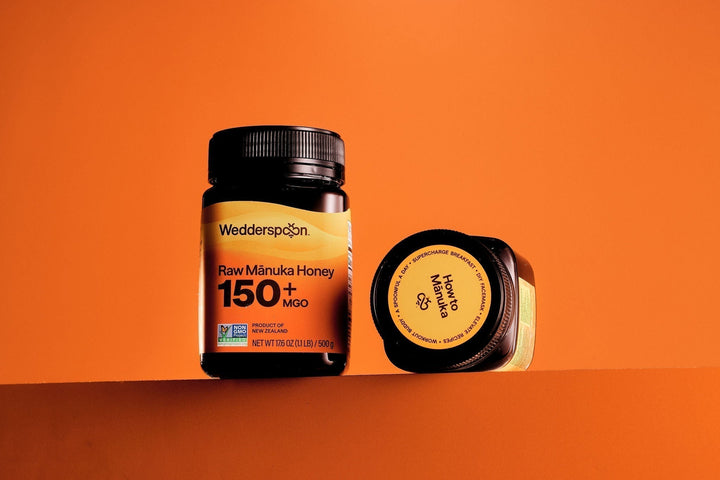
MGO 150+: Enhanced Wellness
This is where Mānuka Honey starts to feel like a real wellness tool, with more noticeable antibacterial support. It's a common choice for:
- Immune support
- Gut health routines
- Skin care (masks, spot treatments)
- Throat comfort during cold and flu season
Best for: Anyone seeking more targeted benefits alongside daily use.
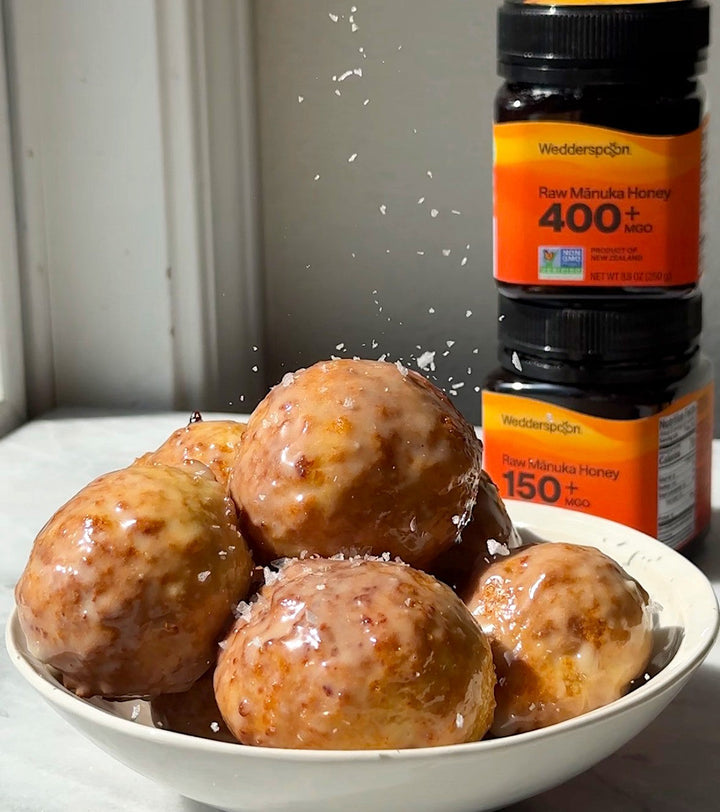
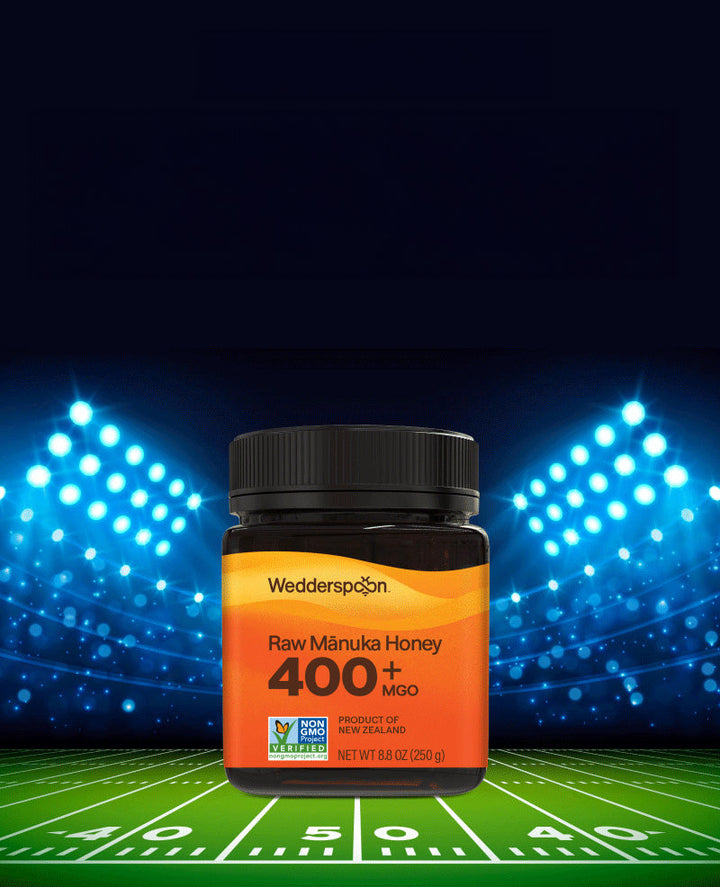
MGO 400+: Brighter Strength
Now we're talking real potency. MGO 400+ is often reserved for more focused wellness needs, including:
- More intensive immune support
- Digestive health support
- Wound care and skin healing
- Persistent throat irritation
Best for: People looking for a therapeutic-grade honey for specific goals.
MGO 850+: Extra Potent
MGO 850+ is among the highest-grade Mānuka Honey available, typically used for more serious wellness applications, such as:
- Advanced wound care and skin repair
- Intensive digestive support
- Immune support during illness
- Topical treatments for stubborn skin issues
Best for: Anyone who wants maximum antibacterial strength for targeted use.
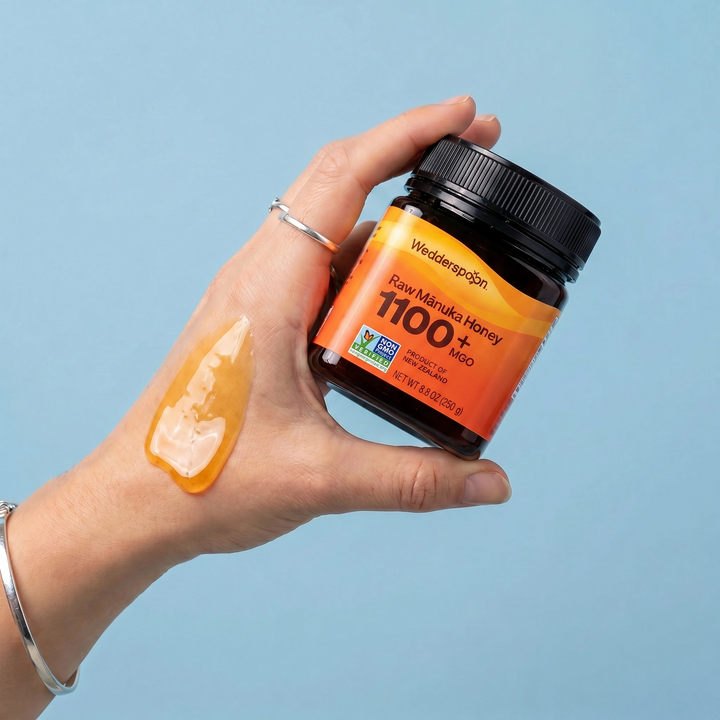
MGO 1100+: Ultra-Premium Grade
The top of the range. MGO 1100+ is rare, potent, and reserved for the most demanding wellness needs — the honey you reach for when nothing else will do.
Best for: Advanced therapeutic use, serious wellness goals, and anyone who wants the strongest Mānuka Honey available.
MGO vs. UMF: What's the Difference?
If you've shopped for Mānuka Honey before, you've probably seen both MGO and UMF on labels. Here's how they compare:
MGO (Methylglyoxal)
- Measures the exact concentration of methylglyoxal, in mg/kg
- Direct and straightforward
- Tells you specifically what's in your honey
UMF (Unique Mānuka Factor)
- A grading system administered by the UMF Honey Association
- Looks at methylglyoxal alongside other markers like DHA and leptosperin
- Provides a broader authenticity and quality score
Both are legitimate, recognized ways to grade Mānuka Honey — MGO gives you one precise number, while UMF folds in a few additional markers. Neither is "wrong"; they just measure things slightly differently.
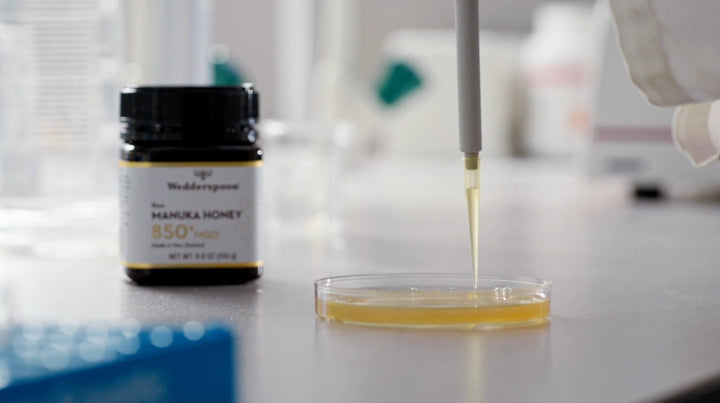
At Wedderspoon, every batch is independently tested and verified in New Zealand to confirm its MGO rating and authenticity, so you always know exactly what's in your jar.
How to Choose the Right MGO Level for You
| Your Goal | Recommended MGO Level |
|---|---|
| Daily wellness and immune support | MGO 50+ to 150+ |
| Seasonal immune boost | MGO 150+ to 400+ |
| Digestive health support | MGO 150+ to 400+ |
| Throat comfort | MGO 100+ to 400+ |
| Skin care (masks, spot treatments) | MGO 150+ to 850+ |
| Wound healing and intensive care | MGO 400+ to 1100+ |
| Maximum therapeutic strength | MGO 850+ to 1100+ |
Pro tip: If you're new to Mānuka Honey, start around MGO 150+. You can always move up as you learn what works for you.
How to Use MGO Honey
One of the best things about Mānuka Honey is how versatile it is. A few favorites:
By the spoonful — Take 1–2 teaspoons straight from the jar and let it melt on your tongue.
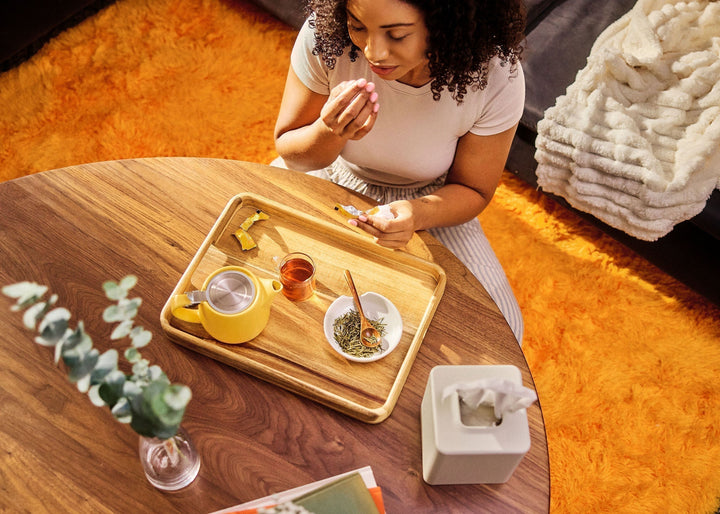
In your morning routine — Stir into tea, coffee, or warm lemon water. Drizzle over oatmeal, yogurt, or granola. Blend into smoothies.
For throat comfort — Take a spoonful slowly to coat your throat, or mix with warm water and lemon.
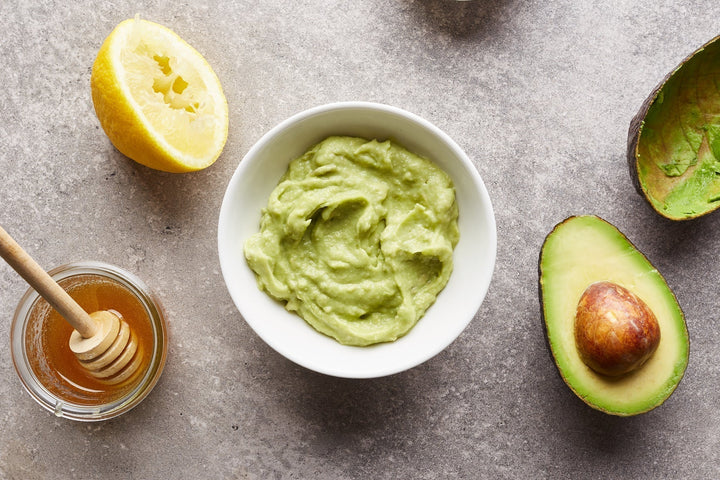
In skin care — Use as a face mask (15–20 minutes, then rinse), a spot treatment, or mixed with coconut oil or aloe for a soothing balm.
For wound care — Apply a thin layer of higher-MGO honey (MGO 400+ or above) to clean skin, cover with a bandage, and change daily. For anything beyond minor cuts or scrapes, check with a healthcare provider first.
What Makes Wedderspoon MGO Honey Different?
Not all Mānuka Honey is created equal, and not every brand holds itself to the same standard. Here's what sets Wedderspoon apart:
Raw & unpasteurized — We never heat or over-process our honey, so its natural enzymes and beneficial compounds stay intact.
USDA Certified Organic — Free from antibiotics, pesticides, glyphosate, and other unwanted chemicals.
Non-GMO & sustainably sourced — Harvested from remote New Zealand hillsides where bees forage on wild Mānuka blossoms, with bee welfare and sustainability built into how we source.
Independently verified — Every batch is tested in New Zealand to confirm its MGO rating and authenticity, so it's real Mānuka sourced directly from the bush.
Transparent MGO ratings — Every jar clearly displays its MGO level. No guesswork, no hidden formulas.
Frequently Asked Questions About MGO Honey
Is higher MGO always better? Not necessarily. Higher MGO means stronger antibacterial activity, but that doesn't mean you need the highest level for everyday use. Choose based on your goals.
Can I use MGO honey every day? Yes — lower to moderate levels (MGO 50+ to 150+) are great for daily use, while higher levels (MGO 400+ and above) are typically reserved for more targeted needs.
Does MGO honey expire? Honey is naturally shelf-stable and can last for years if stored properly, in a cool, dry place out of direct sunlight.
Can children have MGO honey? Never give honey to infants under 12 months old, due to the risk of infant botulism. For older children, start with a lower MGO level.
Is MGO honey safe for people with diabetes? Mānuka Honey is still a form of sugar and will affect blood glucose levels. If you have diabetes, talk to your healthcare provider before adding it to your routine.
Can I cook with MGO honey? You can, but high heat may reduce some of its beneficial compounds. For the most benefit, enjoy it raw or stir it into warm (not boiling) liquids.
The Bottom Line
MGO honey isn't just a trend — it's a transparent, science-backed way to measure the potency and authenticity of Mānuka Honey. Whether you want gentle daily support or something stronger, understanding MGO levels helps you choose with confidence.
At Wedderspoon, we're proud to offer raw, organic, sustainably sourced Mānuka Honey with clear MGO ratings you can trust — from MGO 50+ for everyday wellness to MGO 1100+ for more intensive needs.
Ready to find your MGO match? Explore our full range of Mānuka Honey and find the level that's right for you.
Key Takeaways
- MGO measures the concentration of methylglyoxal, the compound behind Mānuka Honey's antibacterial power.
- Higher MGO means stronger antibacterial activity — choose based on your wellness goals, not just the highest number.
- Wedderspoon offers six MGO tiers: 50+, 100+, 150+, 400+, 850+, and 1100+.
- MGO gives you one precise, transparent number; UMF folds in a few additional markers.
- Use MGO 50+–150+ for daily wellness, and MGO 400+–1100+ for more targeted needs.
- Wedderspoon honey is raw, organic, non-GMO, and independently verified for purity and potency.
Share this post